Peta Interaktif
Water Tenure
Water tenure in Indonesia, particularly in the Cimanuk River Basin, reflects a diverse and layered system through which individuals and institutions own, access, use, and manage water resources. Based on findings from the Water Tenure Study conducted by the Center for Regulation, Policy and Governance (CRPG) using the FAO Water Tenure Assessment Framework (2024), the study identified a complex coexistence of formal, customary, and informal tenure systems. Formal tenure arrangements are based on state-issued permits such as SIPA (Water Abstraction Permit), with regulatory authority primarily held by the BBWS Cimanuk-Cisanggarung under the Ministry of Public Works and Housing. Provincial and district agencies for public works and agriculture also play important roles in managing irrigation infrastructure, particularly in large irrigation schemes like DI Rentang and DI Kamun.
Alongside formal systems, customary water tenure remains active in some communities. Local institutions and farmer groups—such as Raksabumi—continue to manage water allocation at the tertiary level, organizing irrigation schedules and infrastructure maintenance through collective agreements. Informal arrangements are also widespread, particularly in areas where formal infrastructure is insufficient or unreliable. In villages such as Sukagumiwang and Cangko in Indramayu, farmers frequently rent diesel pumps to extract water from small reservoirs (embung) or secondary canals, channeling it to their fields through makeshift or temporary irrigation paths.
The coexistence of these tenure systems has led to complex governance dynamics. Overlapping mandates, fragmented authority, and inadequate infrastructure often result in conflicts over water allocation—particularly during the dry season when competition between agricultural, domestic, and industrial users intensifies. These challenges undermine tenure security and expose smallholder farmers to vulnerabilities. The study concludes that Indonesia’s water governance system must evolve to recognize and integrate the range of tenure systems that operate in practice. A more inclusive approach that legitimizes informal and customary arrangements alongside formal ones will be essential to ensuring equitable and sustainable water access for all users, especially those most at risk.
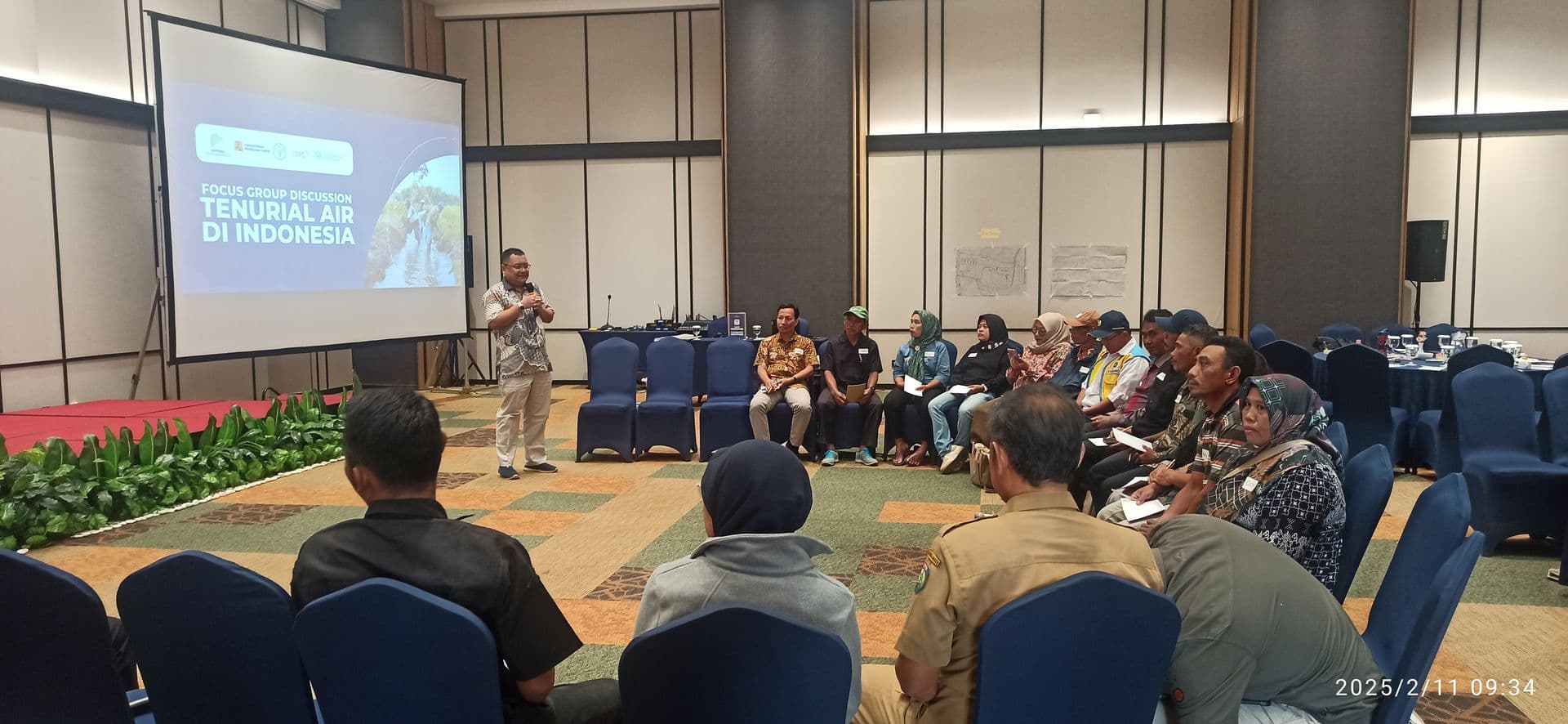
Dr. Mova is leading a multi-stakeholder Focus Group Discussion.
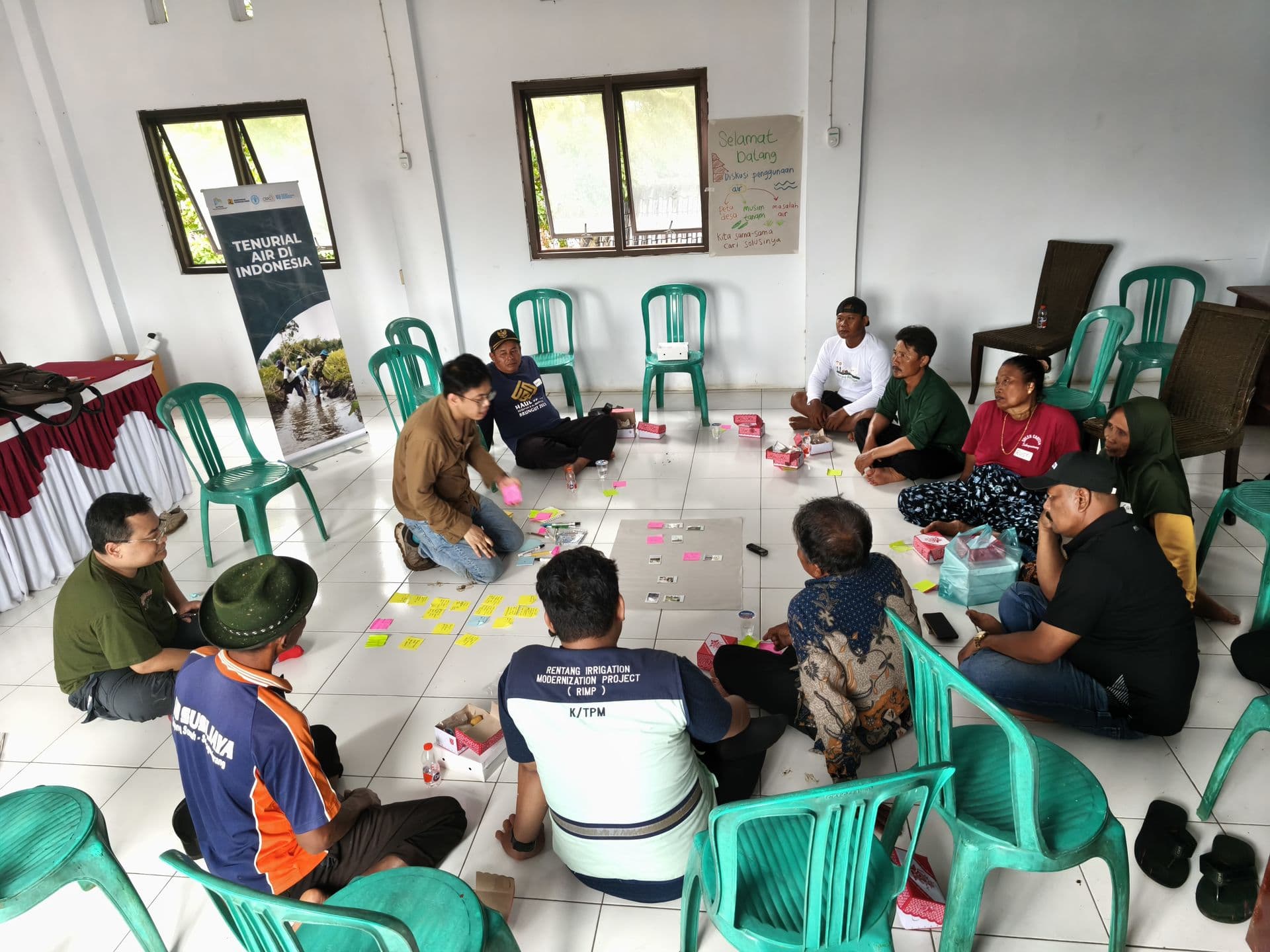
Mr. Riz Adhima is conducting participatory mapping with farmers in Sukagumiwang Village
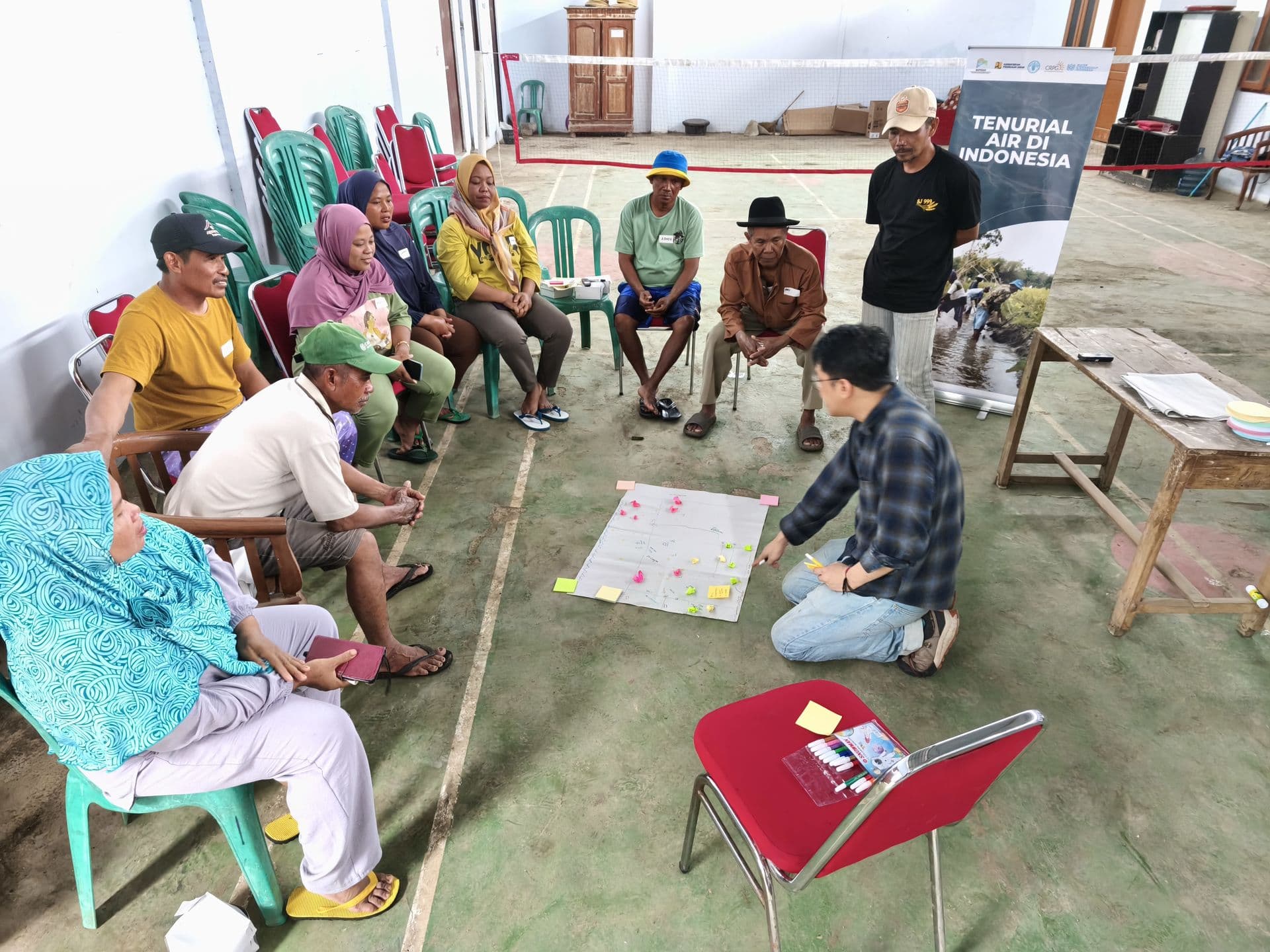
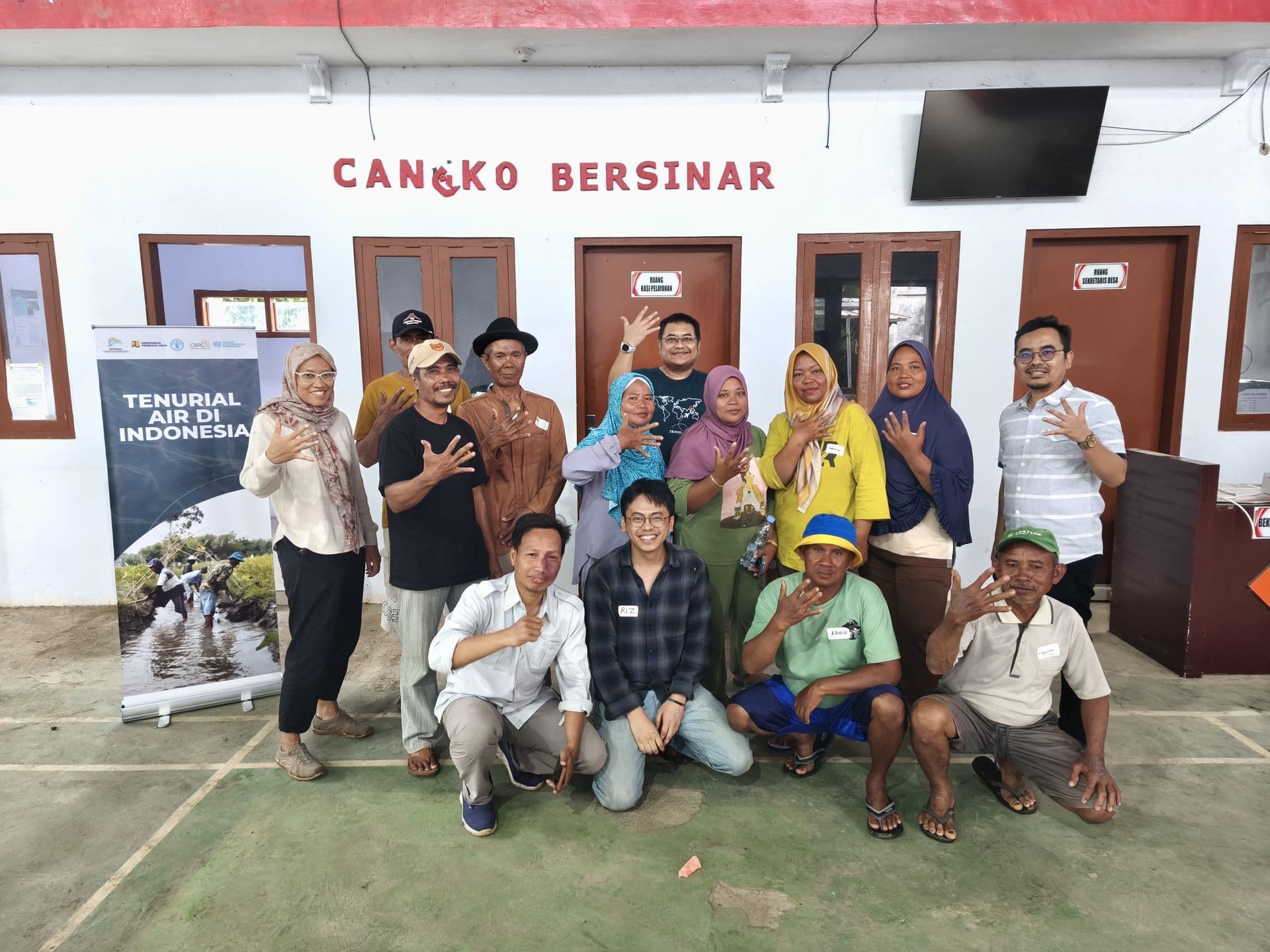
Mr. Riz Adhima is conducting participatory mapping with farmers in Cangko village
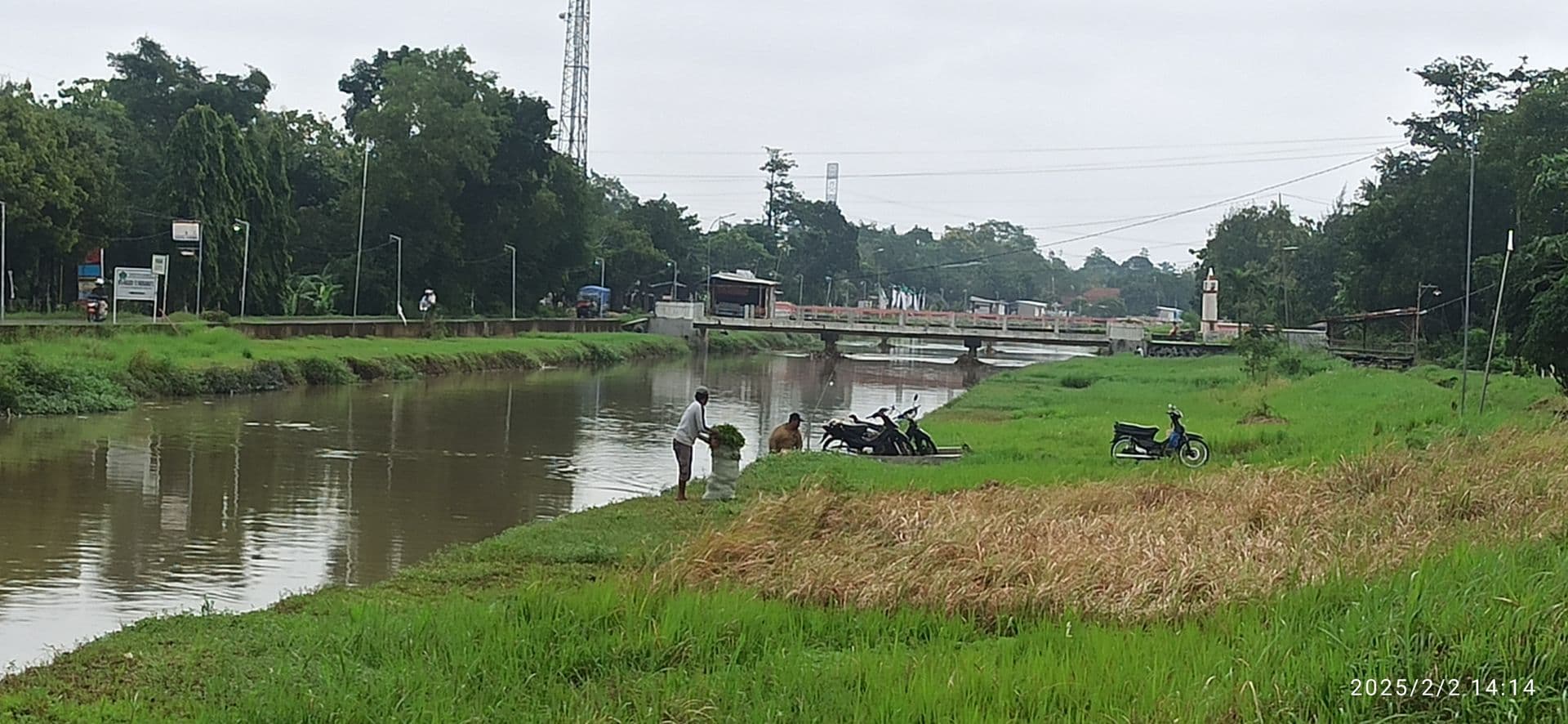
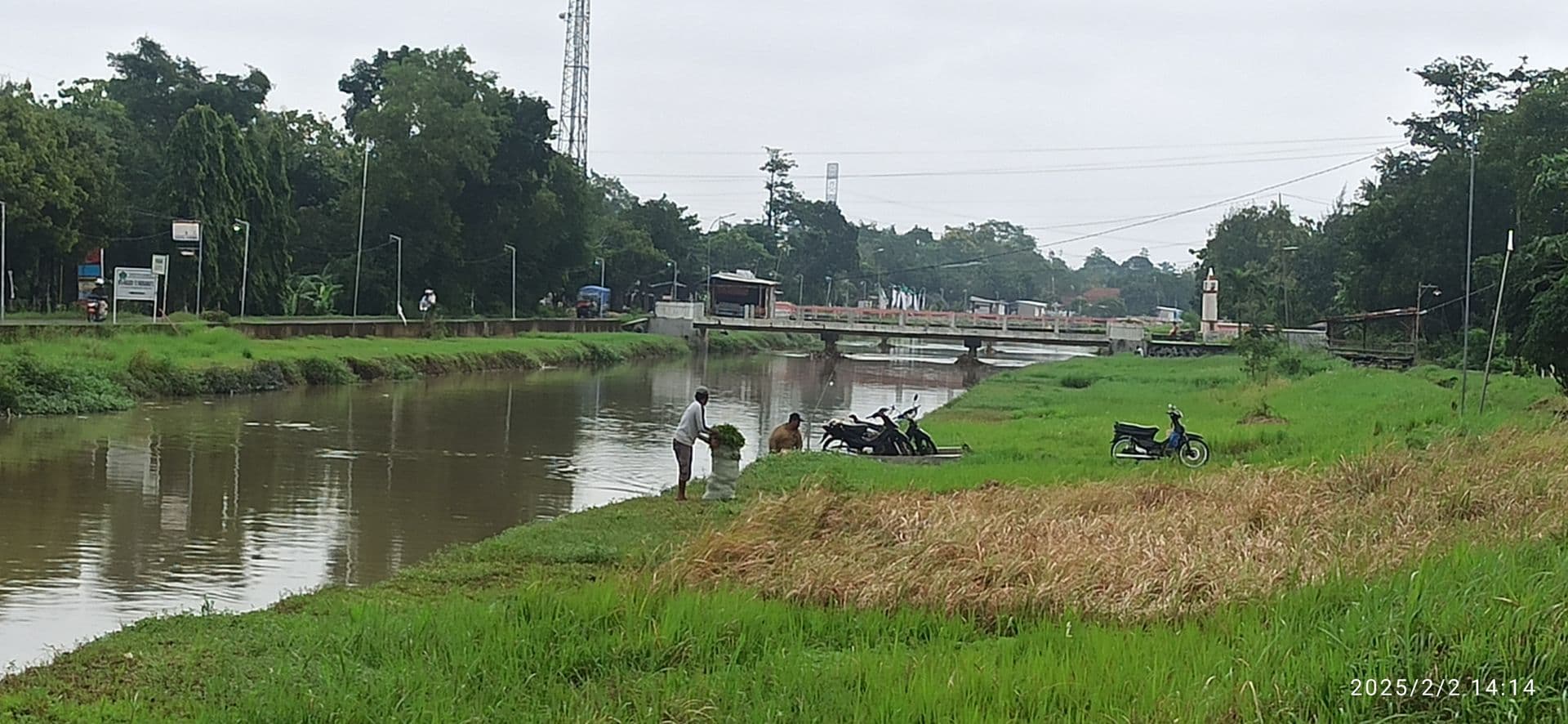
Farmers use irrigation water to wash their motorcycles and their feet